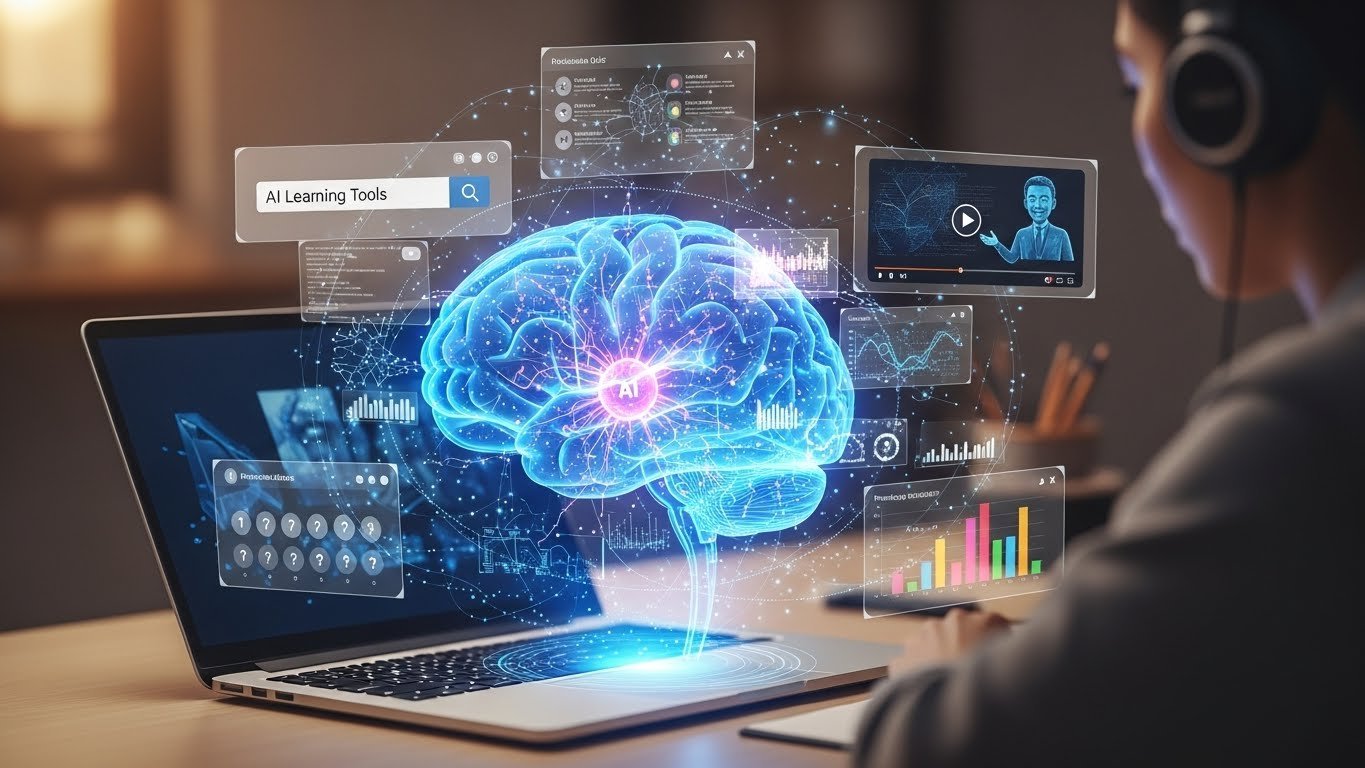
Artificial Intelligence (AI) has become an integral part of our daily lives, transforming industries from healthcare to finance, and now, education. In recent years, AI learning tools have surged in popularity, offering personalized learning experiences, adaptive feedback, and intelligent tutoring systems that promise to revolutionize how students learn. But as with any technological advancement, the integration of AI in education is a complex interplay of innovation, ethics, and practical application. This article explores the current state of AI learning tools, their benefits, limitations, and the human factors that shape their effectiveness in real-world settings.
The Evolution of AI in Education: From Automation to Personalization
The journey of AI in education began with simple automation—grading systems, attendance tracking, and basic tutoring platforms. However, the last decade has witnessed a paradigm shift toward intelligent, personalized learning ecosystems powered by machine learning, natural language processing, and data analytics. Today’s AI learning tools can assess a student’s strengths, weaknesses, learning style, and pace, then tailor content, pacing, and feedback to optimize learning outcomes. For instance, platforms like Khan Academy, Coursera, and Duolingo leverage AI to deliver customized learning paths, while adaptive learning systems like DreamBox and Smart Sparrow adjust in real-time based on student interactions.
From a practical standpoint, the appeal of AI learning tools lies in their ability to scale personalized education. In traditional settings, personalized learning is resource-intensive, requiring one-on-one tutoring and individualized lesson plans. AI tools democratize this by offering scalable solutions that adapt to diverse learning needs. For example, a student struggling with mathematics can receive targeted practice problems and step-by-step explanations, while a more advanced learner can access enrichment materials and advanced problem sets. This tailored approach not only enhances engagement but also improves retention and academic performance.
Benefits of AI Learning Tools: Enhancing Engagement and Outcomes
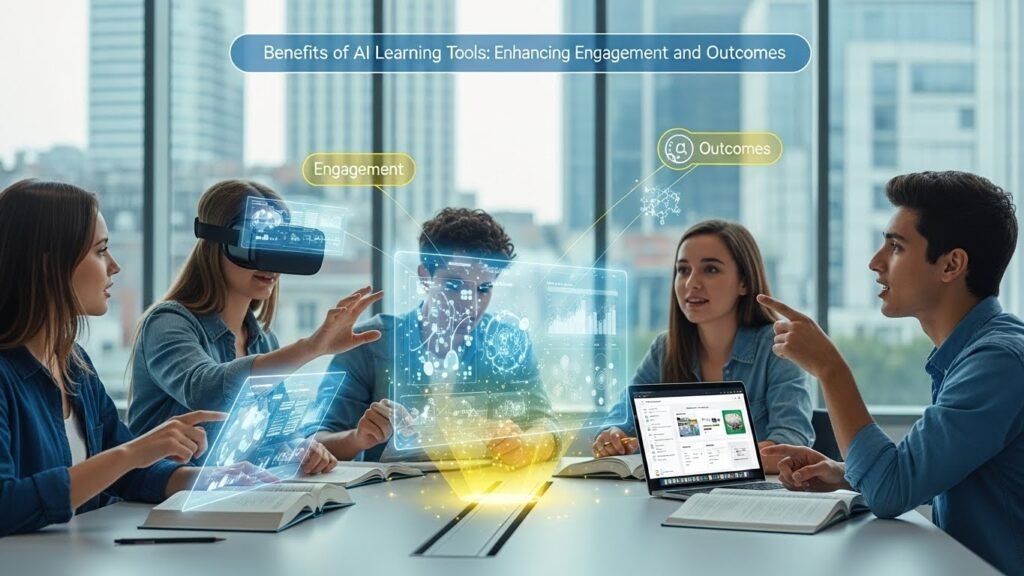
The integration of AI in learning environments yields numerous benefits that extend beyond academic achievement. One of the most significant advantages is the enhancement of student engagement. AI tools often incorporate gamification, interactive simulations, and real-world applications that make learning more immersive and enjoyable. For instance, AI-powered virtual labs in science education allow students to conduct experiments in a risk-free, digital environment, fostering a deeper understanding of scientific concepts.
Another critical benefit is the provision of immediate, constructive feedback. Traditional feedback mechanisms, whether from teachers or automated grading systems, often lack the nuance and timeliness needed for effective learning. AI tools, however, provide instant feedback on quizzes, assignments, and even coding exercises, enabling students to identify and correct mistakes promptly. This real-time intervention not only accelerates learning but also builds confidence, as students feel supported in their progress.
Moreover, AI learning tools promote self-paced learning, a cornerstone of personalized education. Students can learn at their own speed, revisiting challenging topics, accelerating through familiar material, or exploring additional resources without the constraints of a rigid curriculum. This flexibility is particularly beneficial for learners with diverse needs, including those with learning disabilities, gifted students, and those in remote or under-resourced areas where access to quality education is limited.
Limitations and Challenges: The Human Element in AI-Driven Education
Despite their transformative potential, AI learning tools are not without limitations. One of the primary challenges is the risk of over-reliance on technology, which can inadvertently diminish the role of human educators. While AI tools excel at providing personalized content and feedback, they lack the emotional intelligence, empathy, and nuanced understanding that human teachers bring to the classroom. The human element mentorship, motivation, and social interaction remains irreplaceable, and any shift toward AI-dominated learning must ensure that technology complements rather than replaces educators.
Another significant concern is data privacy and security. AI learning tools collect vast amounts of student data to function effectively, raising ethical questions about how this data is stored, used, and protected. In an era where data breaches and surveillance are prevalent, ensuring the confidentiality and security of student information is paramount. Educational institutions must implement robust data governance frameworks and transparent policies to build trust and maintain ethical standards.
Additionally, the effectiveness of AI learning tools hinges on the quality of the data they are trained on. Bias in algorithms, outdated content, and limited representation in training datasets can lead to skewed outcomes, disadvantaging certain groups of students. For example, if an AI tutoring system is trained primarily on data from a specific demographic, it may not perform well for students from other backgrounds, perpetuating inequalities in education. Addressing these biases and ensuring inclusivity in AI development is a critical challenge that requires ongoing research, diverse stakeholder engagement, and ethical oversight.
Practical Applications and Real-World Implementations
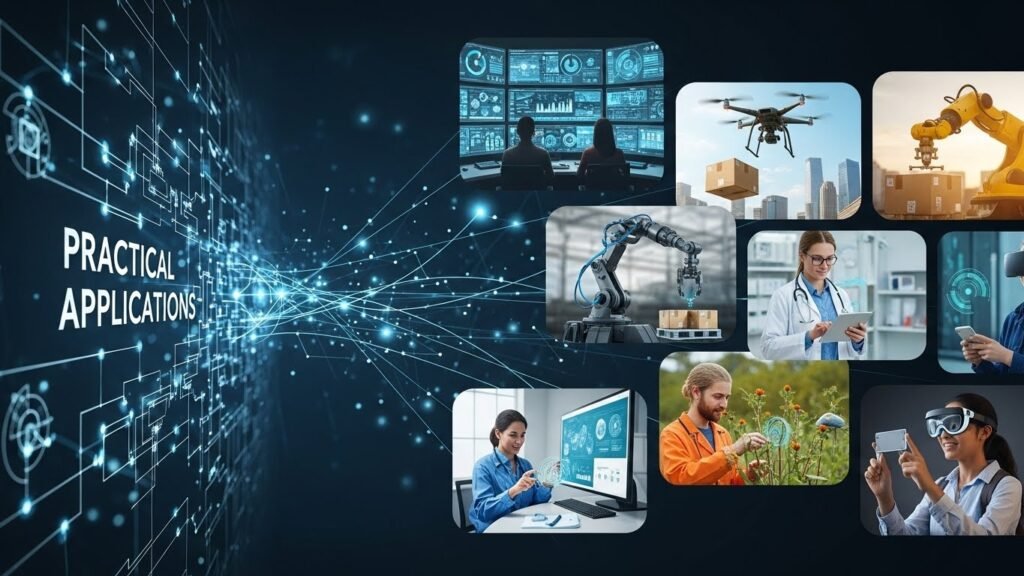
The practical application of AI learning tools varies widely depending on educational contexts, institutional priorities, and technological infrastructure. In K-12 settings, tools like DreamBox and IXL offer adaptive math and reading programs that provide personalized learning paths for students. These platforms are particularly effective in addressing learning gaps and providing targeted support, especially in under-resourced schools where teacher shortages are common.
In higher education, institutions are integrating AI tools into online learning platforms to enhance student engagement and outcomes. For example, universities are using AI-powered chatbots for student support, virtual tutors for specialized courses, and predictive analytics to identify at-risk students and intervene proactively. The flexibility of AI tools allows higher education institutions to offer personalized learning experiences at scale, catering to diverse student populations with varying needs and learning styles.
Moreover, corporate training programs are leveraging AI learning tools to upskill employees in a rapidly evolving job market. AI-driven platforms like Coursera and Udemy provide personalized learning paths based on individual career goals, job roles, and learning preferences, ensuring that employees acquire relevant skills in a timely manner. This practical application of AI in professional development highlights the tool’s versatility beyond traditional educational settings, addressing real-world skill gaps and career advancement needs.
The Future of AI Learning Tools: Trends and Innovations
Looking ahead, the future of AI learning tools is poised for exciting innovations that will further enhance their capabilities and integration into educational ecosystems. One emerging trend is the development of AI systems that can understand and respond to student emotions and engagement levels. By incorporating facial recognition, voice analysis, and biometric data, AI tools will be able to adjust learning experiences in real-time, providing emotional support and motivational interventions when needed.
Another promising innovation is the integration of AI with immersive technologies like virtual reality (VR) and augmented reality (AR) to create highly interactive and experiential learning environments. For example, AI-powered VR simulations in medical education allow students to practice surgeries in a virtual operating room, while AR apps in engineering education enable students to visualize complex structures in 3D. These technologies, combined with AI’s adaptive capabilities, will create deeply immersive and personalized learning experiences that were previously unimaginable.
Furthermore, the rise of decentralized learning platforms and blockchain-based credentials powered by AI will revolutionize credentialing and lifelong learning. AI systems will assess and validate skills and competencies acquired through informal and non-traditional learning pathways, providing learners with verifiable digital credentials that are recognized by employers and institutions worldwide. This shift toward a more inclusive and decentralized education ecosystem will empower learners to take ownership of their educational journeys and access opportunities globally.
FAQs:
Q1: How do AI learning tools personalize learning experiences for students?
A1: AI learning tools use machine learning algorithms, data analytics, and adaptive learning technologies to assess individual student needs, learning styles, and progress. They then tailor content, pacing, and feedback to create customized learning paths, providing targeted support and enrichment based on each student’s strengths and weaknesses.
Q2: What are the ethical concerns surrounding the use of AI in education?
A2: Ethical concerns include data privacy and security, algorithmic bias, over-reliance on technology, and the potential erosion of human educators. Ensuring transparency in data collection, addressing biases in AI algorithms, and maintaining a balance between technology and human interaction are critical to ethical AI implementation in education.
Q3: Can AI learning tools replace human teachers?
A3: No, AI learning tools are designed to complement human educators, not replace them. While AI excels at providing personalized learning experiences, emotional intelligence, mentorship, and social interaction are essential components of effective teaching that AI cannot replicate. The human element remains irreplaceable in education.
Q4: What are the practical applications of AI learning tools in K-12 education?
A4: In K-12 settings, AI tools like DreamBox and IXL offer adaptive math and reading programs, providing personalized learning paths for students. They are particularly effective in addressing learning gaps and providing targeted support, especially in under-resourced schools where teacher shortages are common.
Q5: What trends are shaping the future of AI learning tools in education?
A5: Emerging trends include AI systems that understand and respond to student emotions and engagement levels, integration with immersive technologies like VR and AR for experiential learning, and the rise of decentralized learning platforms powered by AI and blockchain for credentialing and lifelong learning.

Related Posts