The rapid evolution of artificial intelligence (AI) has transformed nearly every aspect of modern life, and education is no exception. Online learning, once a supplementary method of education, has become a dominant force in global learning ecosystems, especially accelerated by the COVID-19 pandemic. In this landscape, AI tools have emerged as powerful allies for learners, educators, and institutions, offering personalized learning experiences, adaptive content delivery, and intelligent tutoring systems that were unimaginable just a decade ago. This article explores the transformative role of AI tools in online learning, examining the diverse technologies that drive this revolution, their practical applications, benefits, challenges, and the future trajectory of AI in education.
Understanding the AI Revolution in Online Learning
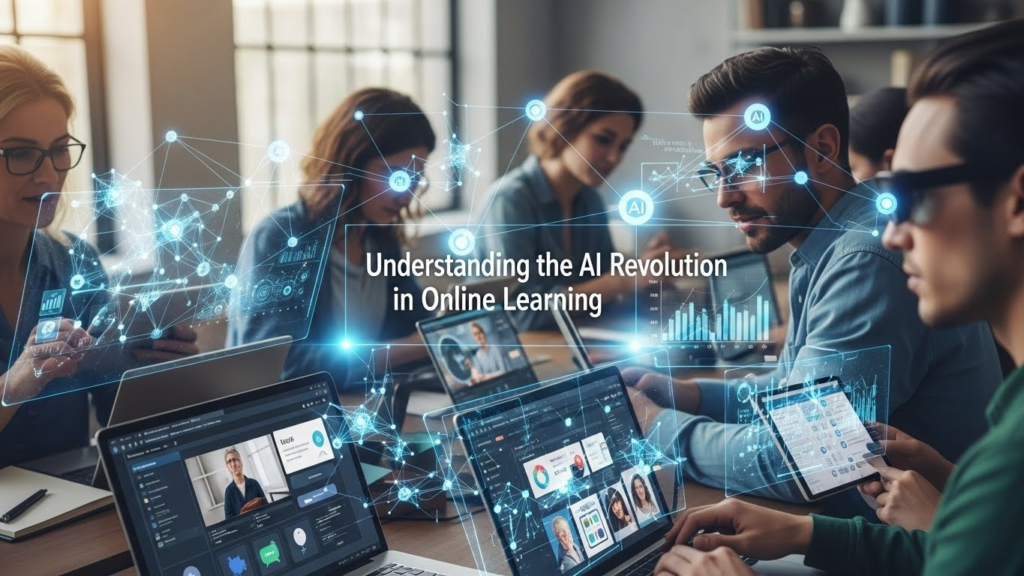
AI in online learning is not just about automating administrative tasks or providing virtual classrooms; it’s about creating intelligent, responsive, and individualized learning environments. By leveraging machine learning, natural language processing (NLP), computer vision, and data analytics, AI tools can assess learner behavior, predict outcomes, and tailor educational content to meet diverse needs. Whether it’s a student struggling with math, a professional seeking to upskill, or an educator designing a course, AI tools offer customized support that traditional methods cannot match.
Key AI Technologies Powering Online Learning
- Adaptive Learning Platforms
Adaptive learning systems, such as Knewton and DreamBox, use AI to analyze student performance in real-time, adjusting the difficulty level of content, pacing, and instructional strategies based on individual progress. For example, if a student excels in reading but struggles with algebra, the system will present more advanced reading materials while providing targeted algebra practice problems. - Intelligent Tutoring Systems (ITS)
It’s like Carnegie Learning and Squirrel AI provide one-on-one tutoring experiences, offering immediate feedback, step-by-step problem-solving guidance, and personalized learning pathways. These systems simulate human tutors, adapting their responses to the learner’s unique style and pace. For instance, a student working on a physics problem can receive hints, explanations, and alternative approaches until the concept is mastered. - Natural Language Processing (NLP) for Interactive Learning
NLP is at the heart of chatbots, virtual assistants, and language learning apps like Duolingo and Babbel. These tools enable interactive, conversational learning experiences, where students can practice speaking, writing, and comprehension skills in a low-stakes environment. AI-powered chatbots also provide 24/7 support, answering questions and offering feedback on assignments. - AI-Driven Content Creation and Curation
Tools like Articulate Storyline and Adobe Captivate use AI to generate interactive content, such as quizzes, simulations, and branching scenarios, tailored to specific learning objectives. AI also curates personalized learning paths by recommending resources, articles, and practice exercises based on a learner’s interests, goals, and performance. - Predictive Analytics for Proactive Learning Support
Platforms like Canvas and Blackboard leverage predictive analytics to identify students at risk of falling behind. By analyzing patterns in engagement, assignment submissions, and quiz scores, AI can alert educators to intervene early, offering additional resources, tutoring, or personalized feedback.
Practical Applications of AI in Online Learning
- Personalized Learning Paths: AI tools create customized learning journeys for each student, ensuring they master foundational concepts before moving to advanced topics. For example, a student in a coding course might start with basic programming logic, then progress to advanced algorithms based on their understanding.
- Real-Time Feedback and Assessment: AI provides immediate feedback on quizzes, assignments, and practice exercises, allowing students to correct mistakes and reinforce learning instantly. This real-time assessment also helps educators track progress and adjust teaching strategies.
- Immersive Learning Experiences: With AI-powered simulations and virtual reality (VR) environments, students can engage in interactive, hands-on learning experiences that mimic real-world scenarios. For instance, medical students can practice surgeries in virtual labs, while engineering students can simulate building structures.
- Language Learning and Cultural Immersion: AI tools like Rosetta Stone and Memrise use speech recognition, interactive exercises, and cultural context to teach languages, making learning more engaging and effective.
- Skill Development and Career Readiness: AI tools help learners acquire in-demand skills by offering personalized training programs in areas like data science, digital marketing, and software development, aligning with industry trends and job market demands.
Benefits of AI Tools in Online Learning
- Enhanced Engagement and Motivation: AI’s ability to provide interactive, gamified, and personalized learning experiences keeps students motivated and engaged, reducing dropout rates.
- Accessibility and Inclusivity: AI tools offer real-time translation, speech-to-text, and adaptive learning features, ensuring that learners with disabilities or those in remote areas have equal access to quality education.
- Efficiency and Scalability: AI enables educators to manage large cohorts of students more efficiently, automating repetitive tasks and providing scalable support systems.
- Cost-Effectiveness: By reducing the need for human tutors, manual content creation, and logistical overhead, AI tools make online learning more affordable and sustainable for institutions and learners alike.
- Data-Driven Insights: AI provides educators and institutions with deep insights into learner behavior, performance, and preferences, informing evidence-based decision-making and continuous improvement of learning strategies.
Challenges and Ethical Considerations
- Data Privacy and Security: The widespread use of AI in online learning raises concerns about student data privacy, security, and consent. Ensuring robust data protection measures and transparent policies is critical.
- Bias and Fairness in AI Algorithms: AI systems must be designed and trained to avoid biases related to race, gender, socioeconomic status, or learning styles, which can perpetuate inequalities in education.
- Over-reliance on Technology: Over-reliance on AI tools may reduce human interaction and critical thinking skills, emphasizing the need for a balanced approach that integrates technology with traditional learning methods.
- Digital Divide and Access Issues: Uneven access to high-speed internet, devices, and AI tools can exacerbate disparities in education, particularly in underprivileged regions or low-income communities.
- Teacher and Learner Acceptance: Resistance from educators and learners to adopt AI tools, due to unfamiliarity, trust issues, or fear of job displacement, requires effective change management strategies and robust training programs.
Future Trends in AI for Online Learning
- AI and Immersive Technologies: The integration of AI with VR, AR, and mixed reality will create fully immersive learning environments, where students can explore historical sites, conduct virtual science experiments, or practice real-world skills in simulated settings.
- Personalized Learning at Scale: Advances in AI will enable truly personalized learning experiences for large student populations, leveraging federated learning, edge computing, and decentralized AI to ensure scalability and privacy.
- AI-Enhanced Assessment and Credentials: AI will revolutionize assessment methods, offering real-time, adaptive evaluations and digital credentials that reflect a learner’s true abilities, not just test scores.
- Lifelong Learning and Skill Development: AI tools will support lifelong learning, providing personalized learning pathways for professionals seeking to upskill or reskill throughout their careers, aligning with evolving industry needs.
- Global Collaboration and Knowledge Sharing: AI-powered platforms will facilitate global collaboration, connecting learners and educators across borders, fostering cross-cultural exchanges, and creating a truly interconnected learning ecosystem.
FAQs About AI Tools for Online Learning
Q1: What are the most popular AI tools used in online learning today?
A1: Some of the most widely used AI tools in online learning include adaptive learning platforms like Knewton and DreamBox, intelligent tutoring systems like Carnegie Learning and Squirrel AI, NLP-based tools like Duolingo and Babbel, and AI-driven content creation platforms like Articulate Storyline and Adobe Captivate.
Q2: How does AI personalize learning experiences in online education?
A2: AI personalizes learning by analyzing individual student performance, learning styles, and progress in real-time, then adjusting content, pacing, and instructional strategies to meet specific needs. For example, adaptive learning platforms adjust the difficulty of materials based on a student’s performance, while ITS provides tailored tutoring and feedback.
Q3: What are the benefits of using AI tools for online learners?
A3: Benefits include enhanced engagement and motivation, real-time feedback and assessment, personalized learning paths, accessibility for diverse learners, and data-driven insights that inform teaching strategies. AI tools also help learners develop in-demand skills and prepare for future careers.
Q4: What challenges do educators and institutions face when implementing AI tools in online learning?
A4: Challenges include ensuring data privacy and security, addressing biases in AI algorithms, maintaining human oversight and interaction, managing the digital divide, and fostering teacher and learner acceptance of AI tools. Ethical considerations and robust policy frameworks are essential for responsible implementation.
Q5: What does the future hold for AI in online learning?
A5: The future of AI in online learning is promising, with trends like immersive learning experiences powered by AI and VR/AR, personalized learning at scale, AI-enhanced assessments, lifelong learning support, and global collaboration platforms set to transform education. Continued advancements in AI technologies will further enhance the accessibility, effectiveness, and inclusivity of online learning.
Conclusion
AI tools have become indispensable in online learning, offering unprecedented levels of personalization, interactivity, and scalability. By harnessing the power of adaptive learning, intelligent tutoring, NLP, and predictive analytics, educators and institutions can create dynamic, learner-centered environments that cater to diverse needs and prepare students for success in the digital age. However, the integration of AI in education must be guided by ethical principles, robust security measures, and a commitment to equity and inclusivity to ensure that all learners realize the benefits of AI tools. As technology continues to evolve, the potential for AI to revolutionize online learning is limitless, promising a future where education is more accessible, engaging, and effective than ever before.

Related Posts