Running a small business means wearing too many hats. I learned this firsthand when I helped my sister launch her boutique marketing agency three years ago. Between client work, invoicing, social media, and customer emails, she was drowning. Then we started experimenting with AI tools, and honestly? It changed everything.
Here’s the thing AI isn’t just for tech giants anymore. Small businesses are finding real value in these tools, and I’ve spent months testing dozens of them to separate the genuinely useful from the overhyped. Let me share what actually works.
Customer Service and Communication Tools
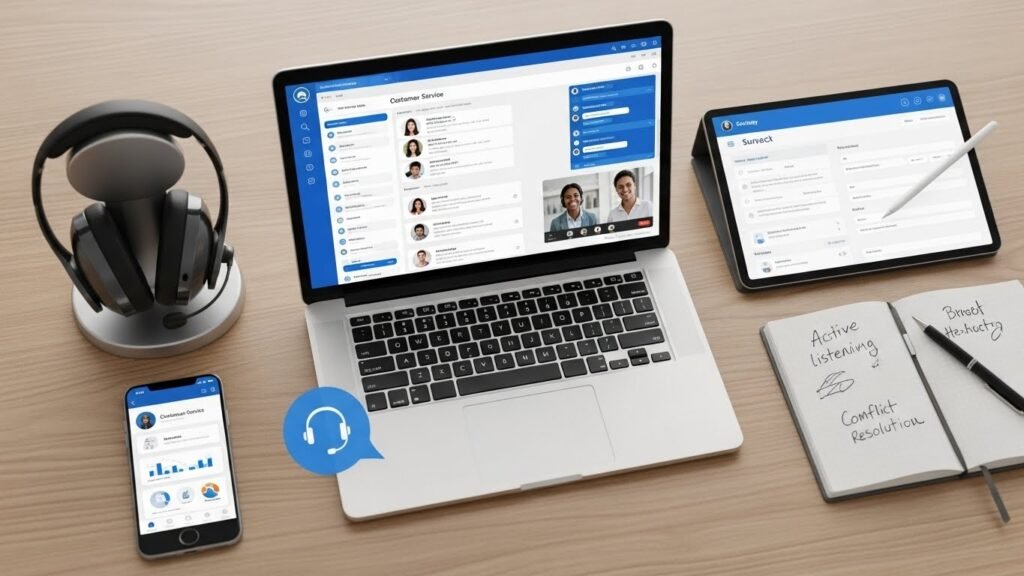
Tidio has become my go-to recommendation for small businesses handling customer inquiries. Unlike clunky chatbots from five years ago, modern conversational AI actually understands context. A florist I work with reduced her response time from hours to minutes using Tidio’s automated responses for common questions about delivery times and pricing.
Intercom offers more sophisticated features but comes at a higher price point. For businesses already dealing with decent volume, it’s worth considering. The learning curve is steeper though expect to spend a weekend getting it configured properly.
Content Creation and Marketing
This category has exploded recently, and not all tools deliver on their promises.
Jasper remains solid for marketing copy. I’ve watched it help business owners generate product descriptions, email sequences, and ad copy that actually converts. The key is treating it as a starting point, not a finished product. You still need a human touch to inject personality and catch errors.
Canva’s AI features deserve special mention. The Magic Design function has saved countless hours for businesses without dedicated designers. Upload a photo, and it generates multiple layout options instantly. Is it perfect? No. But it’s remarkably good for social media graphics and basic marketing materials.
Grammarly Business might seem basic, but don’t underestimate it. Poor grammar in business communications costs credibility. I’ve seen small professional service firms dramatically improve their email correspondence just by implementing this one tool across their team.
Operations and Productivity
Notion AI has become surprisingly useful for organizing business operations. Meeting notes, project documentation, knowledge bases it handles all of it while offering AI-powered summaries and insights. The free tier is quite generous for businesses just starting out.
Zapier with its AI capabilities connects your various tools and automates repetitive workflows. When a new lead comes through your website form, Zapier can automatically add them to your CRM, send a welcome email, and notify your sales team. Setting it up requires patience, but the time savings compound dramatically.
Financial Management
QuickBooks and FreshBooks have both integrated AI features that genuinely reduce bookkeeping headaches. Automatic categorization of expenses, invoice reminders, and cash flow predictions help small business owners stay on top of finances without hiring a full-time accountant.
Social Media Management
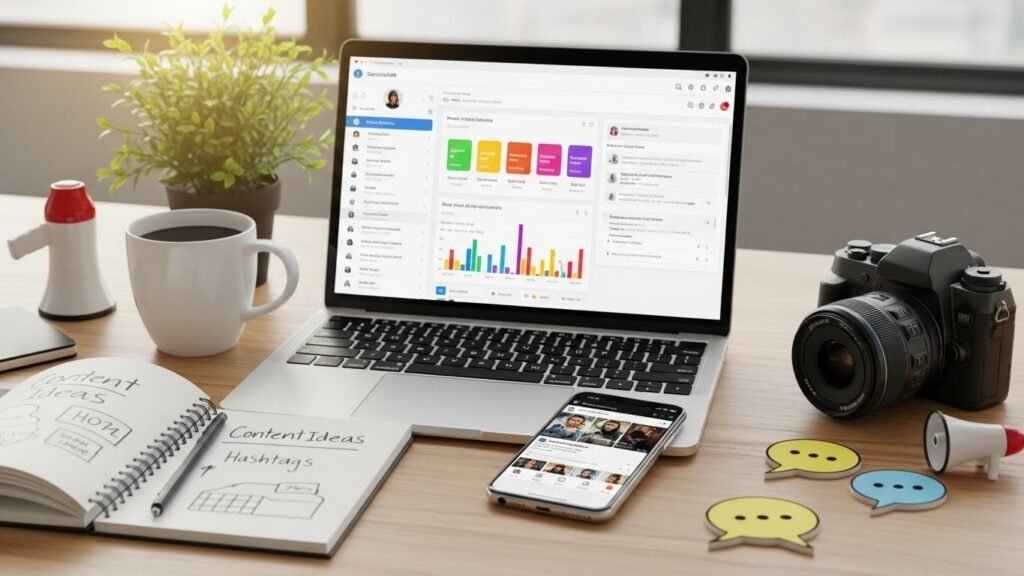
Buffer and Hootsuite both offer AI-powered scheduling suggestions and content recommendations. They analyze when your audience is most active and suggest optimal posting times. Buffer feels more intuitive for solopreneurs, while Hootsuite scales better for growing teams.
A Word of Caution
Here’s what nobody talks about enough: these tools have limitations. They make mistakes. They sometimes produce generic content that sounds like everyone else’s. And they require ongoing subscription costs that add up quickly.
Start with one or two tools addressing your biggest pain points. Master those before adding more. I’ve seen businesses subscribe to eight different AI services, use none of them well, and waste hundreds monthly.
Also consider data privacy seriously. Review what information you’re sharing with these platforms, especially for customer data. Reputable tools have clear privacy policies, but reading them matters.
The Bottom Line
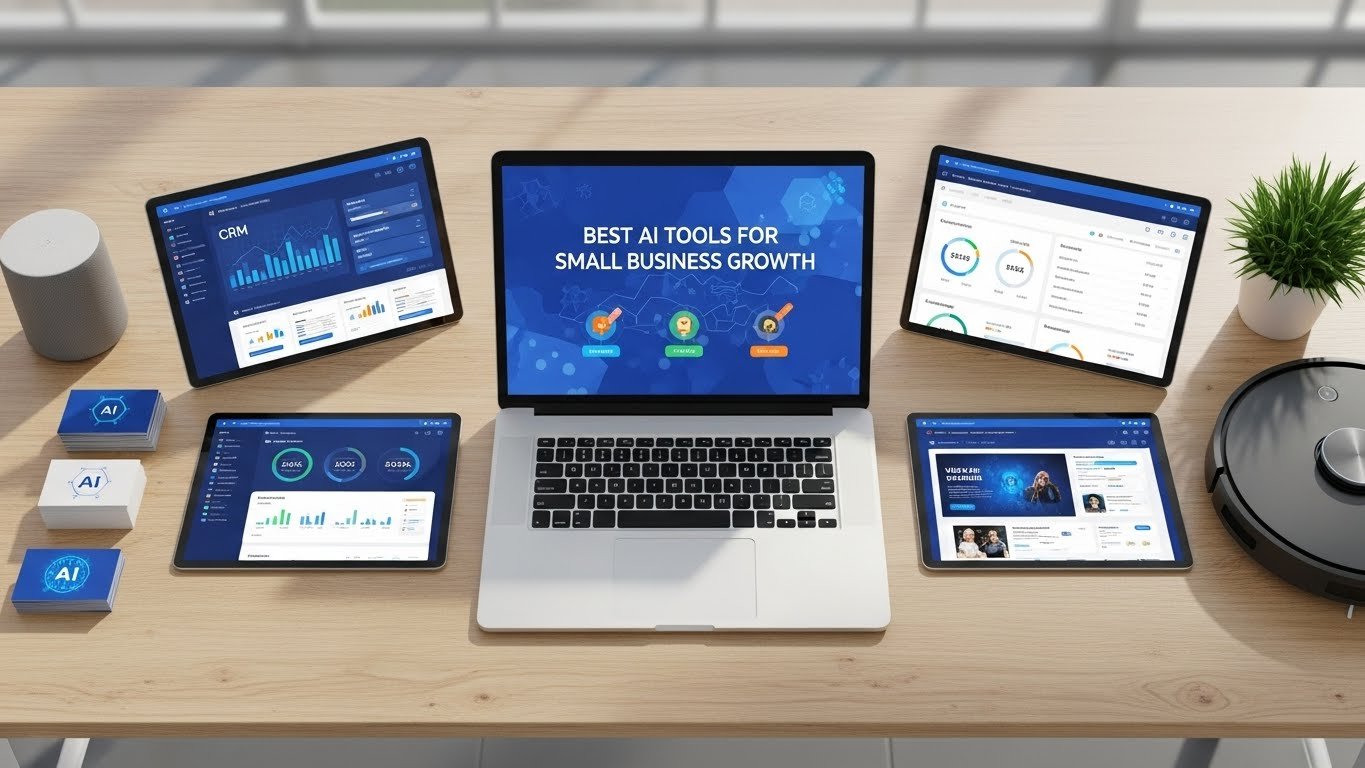
The best AI tools for small business growth aren’t the flashiest they’re the ones solving your specific problems. A restaurant doesn’t need the same tools as an accounting firm. Start by identifying your three biggest time drains, then research tools targeting those specific challenges.
The businesses seeing real results treat AI as an amplifier for human effort, not a replacement for it. Combine these tools with your expertise and judgment, and you’ll find yourself accomplishing more without burning out.
FAQs
What’s the best free AI tool for small businesses?
Canva’s free tier offers excellent AI design features, and ChatGPT’s free version handles many content and research tasks well.
How much should small businesses budget for AI tools?
Most businesses can access meaningful AI capabilities for $50-200 monthly. Start small and scale based on proven ROI.
Will AI tools replace employees?
Generally no they handle repetitive tasks so your team can focus on higher-value work requiring human judgment and creativity.
Are AI tools difficult to learn?
Most modern AI tools prioritize user-friendly interfaces. Expect a few hours of learning time for basic proficiency.
How do I measure AI tool ROI?
Track time saved on specific tasks, customer response improvements, and any revenue directly attributable to AI-assisted efforts.

Related Posts